
Spider Recognition & First Aid: Stay Safe with Catch Training
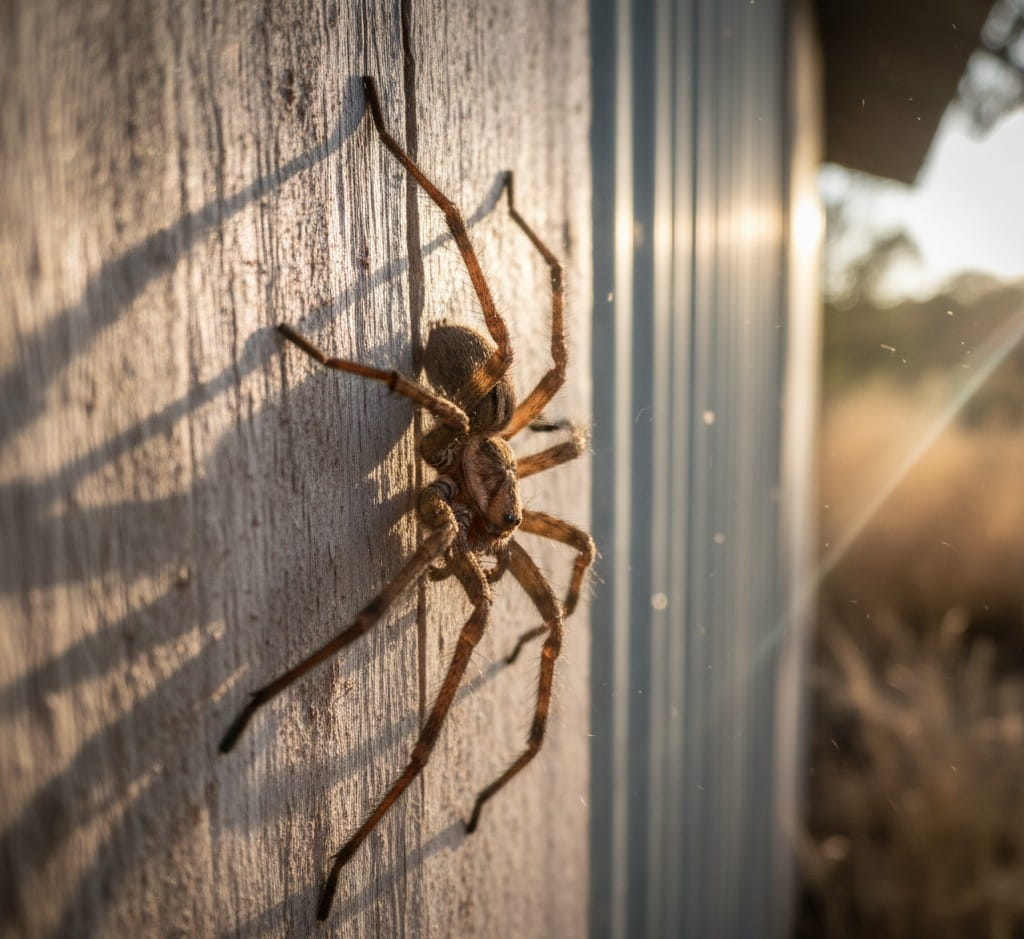
Spiders are fascinating creatures and an important part of Australia’s ecosystem. Most are harmless and
even beneficial, helping control insect populations. But some species, like the Redback and Funnel-web
spiders, can be dangerous. Knowing how to identify spiders and respond safely if bitten is essential—
whether at home, outdoors, or in the workplace.
Why Spider Recognition Matters
Being able to identify spiders is more than just a curiosity—it’s a safety skill. Correct identification allows
you to:
- Respond calmly and safely without panic
- Take proper first aid steps immediately
- Protect children, pets, colleagues, and yourself
- Avoid unnecessary overreaction or risk
Even if a spider is harmless, understanding its features helps reduce fear and improve confidence in
managing encounters.
Common Australian Spiders You Should Know
Redback Spider
- Small, black with a distinctive red stripe
- Often found in sheds, gardens, or outdoor furniture
Funnel-Web Spider
- Glossy black or dark brown, stout body
- Hides in burrows, leaf litter, or damp soil
Huntsman Spider
- Large, brown, and fast-moving
- Mostly harmless but can startle people; oŌen on walls or ceilings
Orb-Weaver Spider
- Builds classic circular webs; harmless
- Found in gardens and near windows
Wolf Spider
- Ground-dwelling, hairy; hunts rather than spins webs
- Can bite if provoked, but generally not dangerous
Tip: Observe colour, size, web type, body shape, and habitat to help identify spiders safely.
First Aid for Spider Bites
Even small spiders can bite, and venomous bites require prompt attention. Here’s what you need to
know:
Redback Spider Bite
1. Apply a pressure immobilisation bandage over the bite
2. Keep the person still
3. Apply ice packs to relieve pain
4. Seek medical attention immediately
Funnel-Web Spider Bite
1. Apply a pressure immobilisation bandage and immobilise the limb
2. Call 000 immediately — antivenom may be required
3. Keep the person calm and do not wash the bite
General Tips:
- Do not cut, suck, or wash the bite
- Monitor breathing and consciousness
- Move pets and children away from the area
- Remain calm; a steady response is critical
Workplace Safety & Spider Awareness
In workplaces such as warehouses, outdoor venues, and construction sites, spider recognition is a key
safety skill. Staff should:
- Know which spiders are high-risk in their area
- Be trained in first aid response for spider bites
- Have first aid kits ready and accessible
- Understand emergency procedures and local resources
Catch Training provides comprehensive First Aid courses that cover spider bites, stings, and other
emergencies, helping staff act quickly, safely, and confidently.
Why Training Matters
Knowledge is power! Spider recognition plus practical first aid skills helps you:
- Stay calm in potentially dangerous situations
- Protect yourself and others
- Reduce stress and fear associated with spider encounters
Training with Catch Training ensures you’re prepared for real-world situations, not just theory.